For a traditional sauna, 10–20 minutes is the sweet spot for most people. Beginners should start at 5–10 minutes and build up. The exact number depends on the type of sauna, how hot it’s running, and how used to the heat you are, but longer is not better, and past a point it’s just riskier.
That’s the short version. The longer version is worth reading, because “how long” is really three questions in one: how long per sitting, how many sittings (rounds) in a session, and how often across the week. We’ll take each in turn, with the honest caveats about where the evidence is solid and where it isn’t.
The short answer, by sauna type and experience
| Sauna type | Typical temperature | Beginner | Experienced |
|---|---|---|---|
| Traditional (Finnish) | 70–100°C | 5–10 min | 15–20 min |
| Infrared | 45–65°C | 10–15 min | 20–45 min |
| Steam room | 40–50°C | 10–15 min | 15–20 min |
These are per-sitting figures, not a target to beat. The most common mistake we see in UK home saunas isn’t staying too briefly. It’s treating the timer as a challenge. It isn’t one.
What actually happens over a session
In the first few minutes your skin warms and surface blood vessels dilate. By around five minutes your heart rate begins to climb; in a hot traditional sauna it can reach 100–150 beats per minute, comparable to moderate exercise. Sweating ramps up to shed heat. Somewhere between ten and twenty minutes, most people reach the point where the benefit has been had and further time simply adds heat load without adding much else.
Push well beyond that and the picture changes. Core temperature keeps rising, you lose more fluid than you’re replacing, and the risk of light-headedness on standing goes up. The NHS guidance on heat exhaustion is a useful reference point here: the early warning signs it lists (dizziness, headache, nausea, excessive sweating) are exactly the ones to respect in a sauna.
How long by sauna type
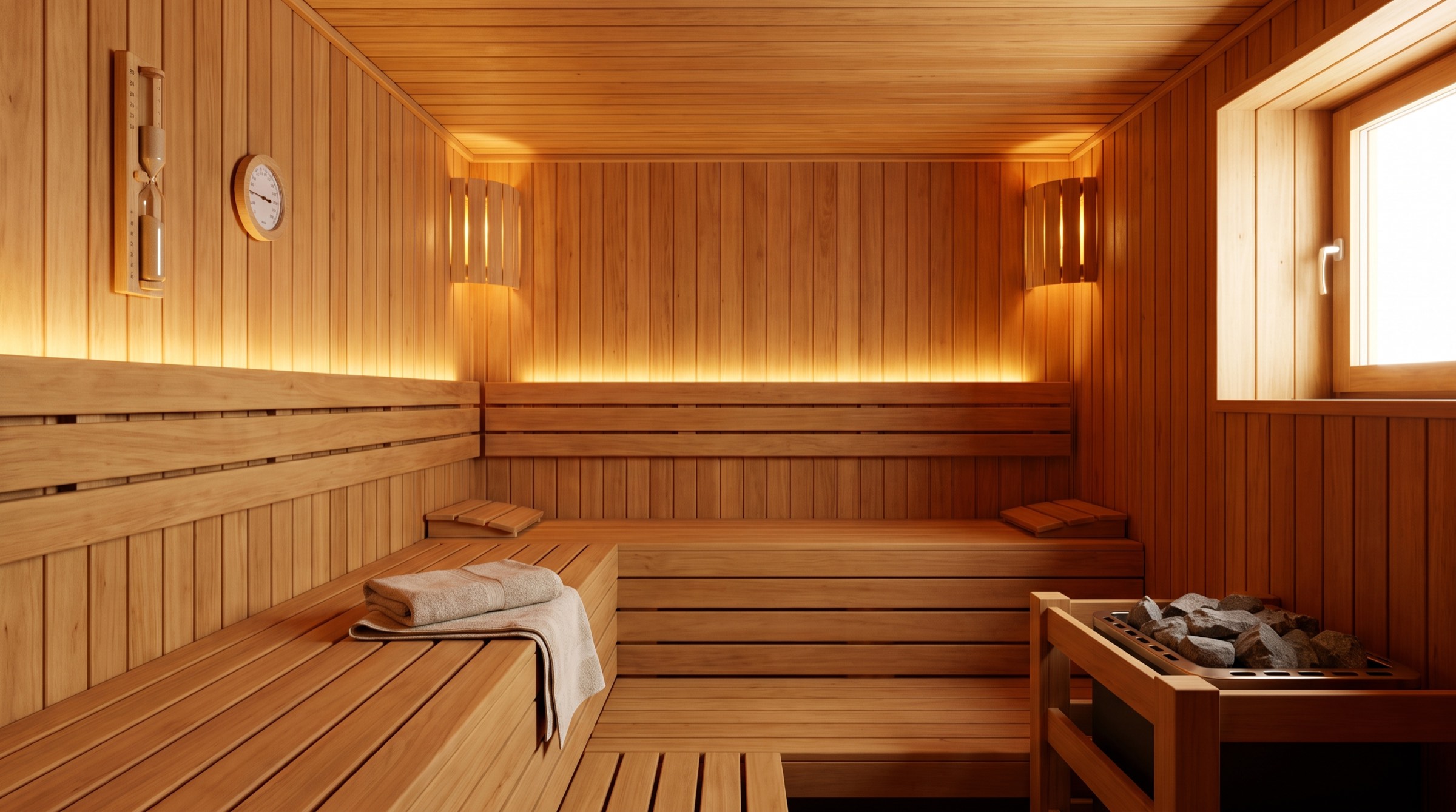
Traditional (Finnish) saunas
At 70–100°C the heat is intense and dry, so sessions are short: 10–20 minutes for most regular users, less if you’re new or the cabin is at the top of that range. The Finnish studies that underpin most of the health evidence (including the well-known Kuopio cohort in JAMA Internal Medicine) typically describe sessions in the 15–30 minute range, but that’s total time including rounds, not one continuous stint.
Infrared saunas
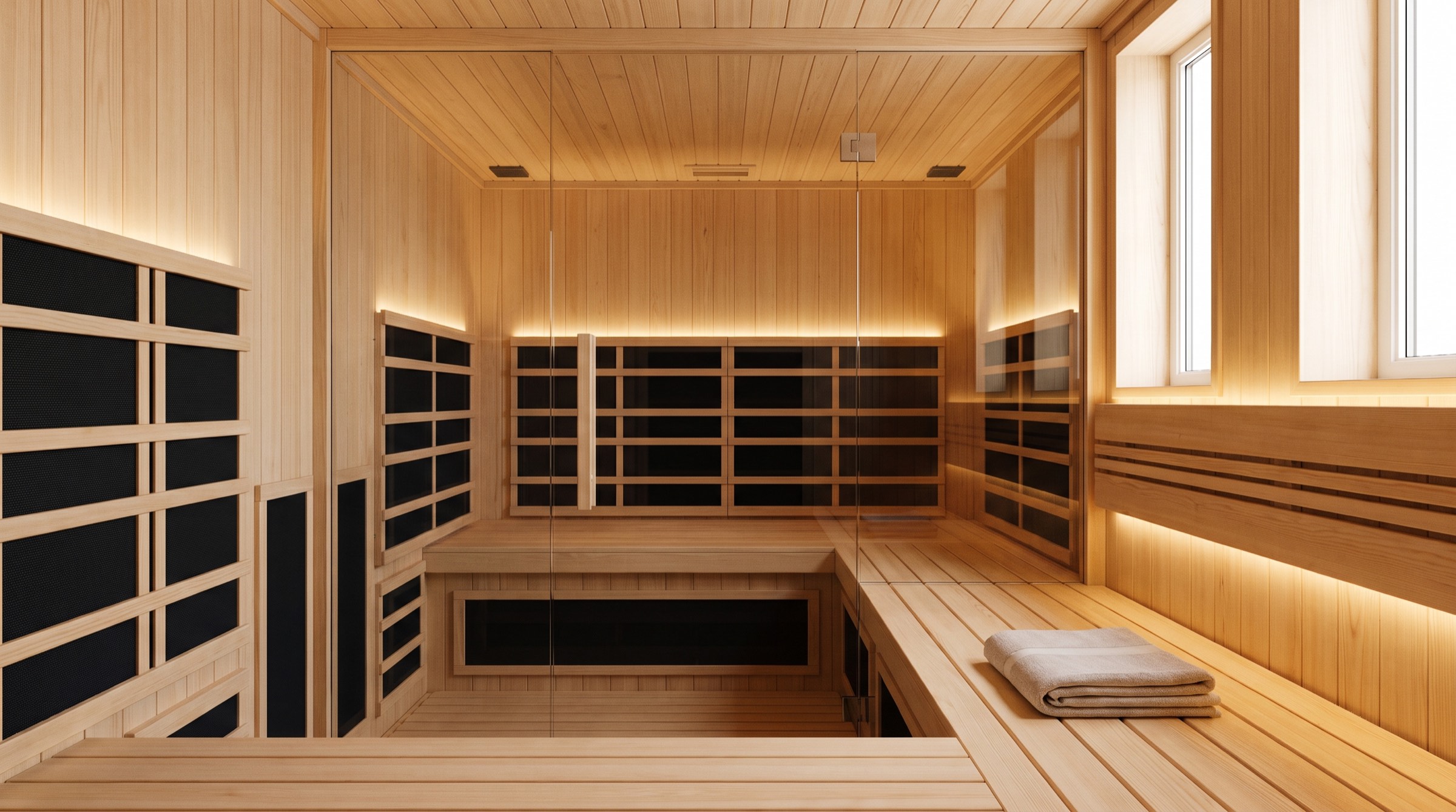
Infrared cabins run cooler (45–65°C) and warm the body directly rather than heating the air, so people tend to sit for longer: 20–45 minutes is common. The lower air temperature makes a longer sitting more comfortable, but the same principle applies: stop when you’ve had enough, not when the clock says so. Our infrared saunas guide covers how the two styles differ in more detail.
Steam rooms
Steam rooms sit at 40–50°C but 100% humidity, so sweat can’t evaporate and the perceived intensity is high despite the lower temperature. 15–20 minutes is plenty. If you’re weighing one against the other, our sauna vs steam room comparison goes through the trade-offs.
Beginners: start short and build
If you’re new to sauna use, start with 5–10 minutes at a moderate temperature and see how you feel the next day. Heat tolerance genuinely improves with regular exposure (a process called heat acclimation), so the 20-minute sitting that feels punishing in week one is comfortable a month later. There’s no prize for rushing it, and the health associations in the research come from consistent long-term use, not from any single heroic session.
Rounds and cool-downs
Traditional sauna culture isn’t one long sitting. It’s two or three shorter rounds with cool-downs between. A typical rhythm:
- Round one: 10–15 minutes in the heat.
- Cool down: 5–15 minutes: a cool shower, a cold plunge if you have one, or just fresh air. Let your heart rate settle.
- Round two (and optionally three): another 10–15 minutes.
Most people find two to three rounds is the natural ceiling. The cool-down isn’t optional padding. It’s the part that makes multiple rounds safe and, for a lot of people, the part that feels best.
Signs you should get out now
Whatever the clock says, end the session if you feel any of these:
- Dizziness or light-headedness
- Nausea
- A headache coming on
- A racing or irregular heartbeat
- Confusion, or stopping sweating when you’re still hot
Get out, cool down slowly, sip water, and sit until it passes. These are the body’s way of telling you the heat load has gone far enough. Standing up too quickly after a long sitting is the most common cause of a wobble, so rise slowly.
How often, not just how long
Frequency matters more than marathon sessions. The strongest cardiovascular associations in the research appear at 4–7 sessions a week, but 2–3 shorter sessions a week is a realistic target for most UK households and still looks worthwhile. A 2018 review in Mayo Clinic Proceedings found the benefits scaled with regular use rather than requiring long individual sittings. For the full picture of what the evidence supports, see our guide to sauna benefits and what the science actually says.
Hydration
You lose a meaningful amount of fluid in a sauna. That’s the point of the sweat. Drink water before and after, and a rough rule of thumb is around 500ml of fluid for every 30 minutes of sauna time. Don’t drink alcohol before or during a session; it compounds dehydration and blunts your judgement about when to get out.
Who should keep it short, or skip it
Some people should limit their time or avoid saunas altogether without medical advice. That includes anyone who is pregnant (NHS guidance advises against high-temperature saunas in pregnancy, particularly the first trimester), anyone with uncontrolled high blood pressure, and anyone within three months of a significant cardiac event. We cover the full list in the “who should not use a sauna” section of our sauna benefits guide. If in doubt, ask your GP.
Frequently asked questions
Can you stay in a sauna too long?
Yes. Beyond about 20–30 minutes in a hot traditional sauna, you’re adding heat load and fluid loss without meaningful extra benefit, and the risk of dizziness, nausea and dehydration rises. Longer is not better. If you want more time, do a second round after a proper cool-down rather than one extended sitting.
Is 30 minutes too long in a sauna?
In a hot traditional sauna, 30 minutes in one go is longer than most people should sit. It’s better split into two rounds with a cool-down. In a cooler infrared cabin, 30 minutes is within the normal range for an experienced user. Judge it by how you feel, not by the number.
How long should a beginner stay in a sauna?
Start at 5–10 minutes at a moderate temperature. Build up over several weeks as your heat tolerance improves. There’s no benefit to pushing through discomfort early on.
How long should you rest between sauna rounds?
5–15 minutes is typical, long enough for your heart rate to settle and your body to cool. A cool shower, a cold plunge, or simply stepping outside all work. Rehydrate during the break.
Does staying in longer sweat out more toxins?
No. Sweat is roughly 99% water and electrolytes; your liver and kidneys handle detoxification, not your sweat glands. Staying in longer to “sweat out toxins” just dehydrates you. Use the sauna for the cardiovascular and recovery benefits, which are real, not for detox, which isn’t.
The bottom line
For most people, 10–20 minutes per sitting in a traditional sauna, or 20–45 in an infrared cabin, is the right range, less when you’re starting out. Do two or three rounds with cool-downs if you want a longer session, aim for regular use across the week rather than occasional long stints, and get out the moment you feel unwell. The benefits come from consistency, not endurance.
Once you know how you like to use a sauna, the next question is usually which type suits your home. Browse our health & wellbeing guides for the evidence, or if you’re ready to talk to someone about installing one, find a vetted UK sauna builder near you.
Reviewed by the SaunaCentral editorial team. This article is educational and not a substitute for medical advice. If you have a health condition, speak to your GP about whether sauna use is appropriate for you.
Looking for a sauna recommendation?
Tell us your space, budget, and preferences. We’ll match you with the perfect sauna from our curated selection.